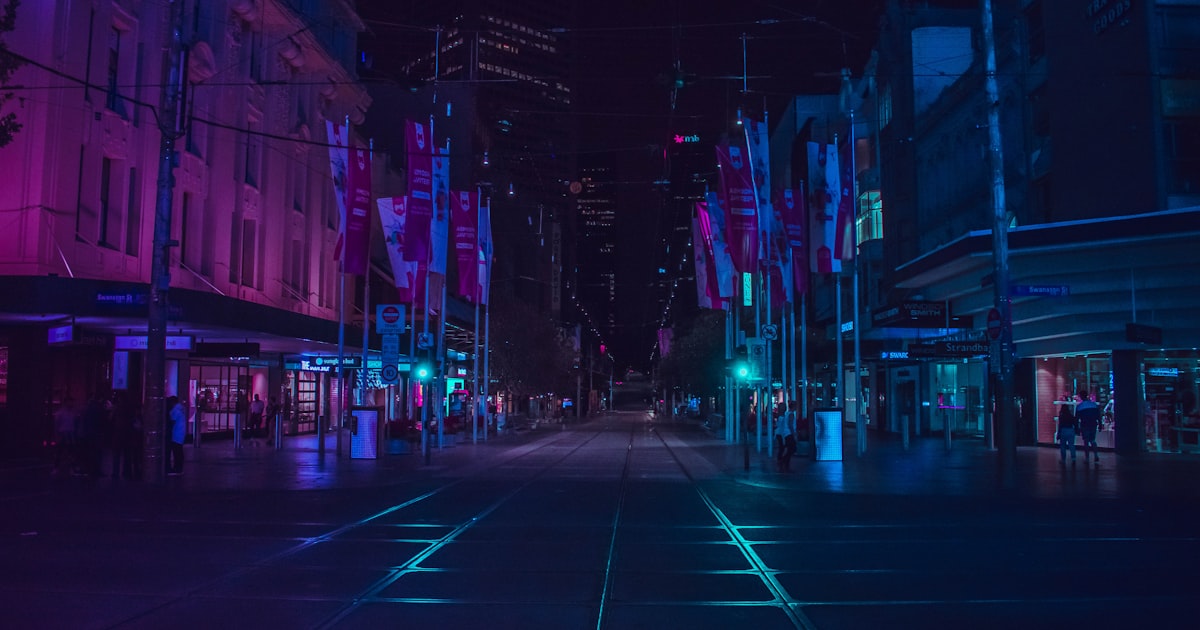
Urban biking has surged in popularity over the past decade, offering city dwellers an eco-friendly, cost-effective, and healthy way to navigate congested streets. Whether you're commuting to work, running errands, or simply enjoying a ride through your neighborhood, cycling in urban environments comes with unique challenges and safety considerations that every rider must understand.
While biking offers incredible freedom and flexibility, the reality is that urban cyclists face significant risks. According to the National Highway Traffic Safety Administration, hundreds of cyclists are killed in traffic accidents each year, with thousands more injured. The good news? Most cycling accidents are preventable with proper preparation, awareness, and the right safety tools—including technology like One Tap Alert that can provide an instant lifeline in emergency situations.
This comprehensive guide will walk you through everything you need to know about urban biking safety, from essential equipment to defensive riding techniques, and how modern safety technology can give you and your loved ones peace of mind every time you hit the road.
Essential Safety Gear Every Urban Cyclist Needs
Before you even think about pedaling through city streets, you need to ensure you have the right safety equipment. Your gear is your first line of defense against potential accidents and injuries.
The Non-Negotiable: A Quality Helmet
A properly fitted helmet can reduce your risk of head injury by up to 70%. Look for a helmet that meets CPSC (Consumer Product Safety Commission) standards and fits snugly without wobbling. Replace your helmet every 3-5 years or immediately after any crash, even if there's no visible damage.
High-Visibility Clothing and Reflective Gear
In urban environments, being seen is half the battle. Wear bright, fluorescent colors during the day and reflective gear at dawn, dusk, or night. Consider investing in:
- Reflective vests or jackets
- LED ankle or wrist bands
- Reflective tape for your helmet and bike frame
- Clothing with built-in reflective strips
Lights: Front and Rear
Most cities require bikes to have a white front light and red rear light when riding after dark. Even in daylight, flashing rear lights significantly increase your visibility. Choose lights with multiple modes (steady and flashing) and always keep backup batteries charged.
Additional Safety Equipment
- Bike bell or horn: Alert pedestrians and other cyclists of your presence
- Mirrors: Handlebar or helmet-mounted mirrors help you monitor traffic behind you
- Gloves: Protect your hands in a fall and improve grip
- Protective eyewear: Shield your eyes from debris, insects, and UV rays
Having your smartphone secured and accessible is also crucial, particularly if you're using One Tap Alert's Safety Timer feature during your ride. This allows you to set a countdown for your journey, and if you don't check in by your expected arrival time, your emergency contacts will automatically receive an alert with your last known location.
Understanding Urban Traffic Patterns and Road Hazards
Successfully navigating city streets requires more than just knowing how to ride a bike—you need to understand how traffic flows and where dangers lurk.
Identifying High-Risk Areas
Certain locations pose elevated risks for cyclists:
- Intersections: Where most bike-vehicle collisions occur
- Door zones: The area next to parked cars where doors can suddenly swing open
- Bus stops: Where buses frequently pull in and out of traffic
- Construction zones: Unpredictable obstacles and altered traffic patterns
- Multi-lane roads: Especially during rush hour
Reading Traffic Flow
Learn to anticipate driver behavior by watching for:
- Turn signals (or lack thereof)
- Vehicles slowing down or speeding up
- Cars positioned to turn or merge
- Driver eye contact (or distraction)
- Traffic light timing and patterns
Common Road Hazards
Urban roads present unique challenges:
- Potholes and cracks: Can cause loss of control or damage your bike
- Sewer grates: Especially dangerous if the slots run parallel to your direction
- Wet surfaces: Painted lines, metal plates, and fallen leaves become slippery when wet
- Debris: Broken glass, trash, and gravel accumulate in bike lanes and road edges
When you're familiar with your regular routes, you can anticipate these hazards. However, unexpected dangers can emerge at any time. This is why having One Tap Alert readily accessible on your phone matters—if you encounter a serious situation, you can press and hold the SOS button for just one second to immediately alert all your emergency contacts with your live GPS location.
Defensive Riding Techniques for City Streets
Defensive riding means assuming that drivers don't see you and being prepared to react to unexpected situations. These techniques can be the difference between a close call and a serious accident.
Positioning Yourself on the Road
Contrary to what many cyclists believe, hugging the curb is often the most dangerous place to ride. Instead:
- Ride in the right third of the lane (or designated bike lane) to stay visible and avoid door zones
- Take the lane when necessary on narrow roads where vehicles can't safely pass
- Make yourself predictable by riding in a straight line and avoiding sudden movements
- Position yourself where drivers will look when approaching intersections
Intersection Safety Strategies
Intersections require heightened awareness:
- Make eye contact with drivers before proceeding
- Never assume you have the right of way even when you legally do
- Watch for right-hook turns where vehicles turn right across your path
- Be cautious of left-turning vehicles that may not see you coming straight
- Look over your shoulder before moving through or around intersections
Communication and Signaling
Clear communication prevents accidents:
- Use hand signals for turns and stops well in advance
- Make yourself heard with your bell or voice when necessary
- Signal your intentions early to give drivers time to react
- Acknowledge drivers who yield or give you space
Managing Speed and Control
- Match your speed to traffic conditions and your skill level
- Slow down well before turns, not during them
- Keep both hands on handlebars when riding in traffic
- Maintain a safe following distance from vehicles ahead
- Practice emergency braking in safe areas to build muscle memory
Route Planning: Choosing Safer Streets
Not all routes are created equal. Strategic route planning can dramatically reduce your exposure to risk.
Using Bike-Friendly Infrastructure
Take advantage of:
- Protected bike lanes: Physically separated from vehicle traffic
- Dedicated bike paths: Completely separated multi-use trails
- Bike boulevards: Low-traffic residential streets designed for cycling
- Sharrows and bike lanes: Marked lanes that designate space for cyclists
Mapping Tools and Apps
Several apps help you find safer routes:
- Google Maps (bike mode)
- Strava
- Komoot
- Ride with GPS
- Local city cycling apps
Before heading out on a new route, use One Tap Alert's Safety Timer to set an expected arrival time. If something goes wrong and you can't check in when you arrive, your designated contacts will receive an automatic alert with your live location, ensuring someone knows if you're in trouble even on an unfamiliar path.
Time-of-Day Considerations
When possible:
- Avoid rush hour when traffic is heaviest and drivers are most stressed
- Plan for daylight hours when visibility is optimal
- Consider weather conditions and postpone rides during severe weather
- Allow extra time so you're never rushed or tempted to take risks
How One Tap Alert Helps With Urban Biking Safety
Urban biking presents unique safety challenges that traditional precautions alone can't fully address. While helmets and lights protect you from physical harm, what happens when you're involved in an accident, threatened by an aggressive driver, or injured on a remote bike path? This is where One Tap Alert becomes an essential part of every urban cyclist's safety toolkit.
Instant Emergency Response With the SOS Button
The reality of urban cycling is that accidents happen in split seconds. If you're hit by a vehicle, crash due to a road hazard, or find yourself in any threatening situation, every moment counts. One Tap Alert's Instant SOS Button allows you to alert all your emergency contacts with a simple press and hold for just one second—even if you're shaken, injured, or scared. Your emergency contacts immediately receive your exact location via live GPS tracking, allowing them to send help to your precise position.
This feature is particularly valuable for cyclists because your phone is likely already mounted on your handlebars or easily accessible in your pocket. Unlike fumbling to unlock your phone, find contacts, and compose a message, the One Tap Alert SOS function works instantly, even when you're in shock or unable to speak.
Safety Timer for Every Ride
One of the most powerful features for regular urban cyclists is the Safety Timer. Before you start your commute or recreational ride, you can set a countdown timer in One Tap Alert based on your expected travel time. If you don't check in by the time the timer expires, the app automatically alerts your emergency contacts with your last known location.
This creates an automatic safety net for your daily rides. Your roommate, partner, or family members will know something is wrong if you don't arrive when expected—without you having to send manual updates or check-ins. For longer bike trips or rides through less-populated areas, this passive safety feature provides peace of mind for both you and your loved ones.
Real-Time Location Sharing for Accountability
When you activate One Tap Alert's SOS button, your emergency contacts don't just receive a static location—they see your real-time GPS position as it updates. This is crucial for cyclists because:
- You might be moved by emergency services or good Samaritans
- You could be in an area where addresses are unclear
- You might be on a bike path or trail without a street address
- Your exact position helps emergency responders find you faster
Privacy-First Design for Daily Use
Unlike other tracking apps that monitor your location constantly, One Tap Alert operates on a privacy-first principle. There's no background tracking, no location history stored, and absolutely no data selling. Your location is only shared when you explicitly activate the SOS button or when a Safety Timer expires without check-in. This makes it ideal for urban cyclists who want emergency protection without feeling surveilled.
Building Your Emergency Contact Network
One Tap Alert allows you to add unlimited emergency contacts, which is particularly useful for cyclists who want different people alerted depending on the situation. You might include:
- Family members who can make medical decisions
- Friends who live along your common routes
- Fellow cycling buddies who understand bike emergencies
- Neighbors who can check on your home or pets if you're hospitalized
The app is free to download, with premium features available for $5.99/month or $24.99/year—a small price for comprehensive emergency protection every time you ride.
Weather Considerations and Seasonal Safety
Weather dramatically affects urban cycling safety. Understanding how to adapt your riding to different conditions is essential.
Riding in Rain
- Reduce speed by 25-30% on wet pavement
- Increase following distance as braking distances double when wet
- Avoid painted surfaces and metal which become extremely slippery
- Use fenders to protect yourself and your bike from spray
- Increase visibility with brighter lights and reflective gear
Hot Weather Precautions
- Stay hydrated with water bottles easily accessible
- Protect yourself from sun with sunscreen, sunglasses, and breathable clothing
- Recognize heat exhaustion symptoms: dizziness, nausea, excessive fatigue
- Plan routes with shade when possible during peak heat hours
Cold and Winter Riding
- Layer appropriately with moisture-wicking base layers
- Protect extremities with insulated gloves and shoe covers
- Watch for ice especially on bridges, overpasses, and shaded areas
- Use studded tires if riding regularly on snow or ice
- Adjust tire pressure slightly lower for better traction
Wind and Storms
- Check forecasts before long rides
- Avoid riding in severe weather including thunderstorms and high winds
- Be aware of crosswinds especially on bridges or open areas
- Watch for debris blown into your path during windy conditions
Unexpected weather changes can turn a routine ride dangerous. When conditions deteriorate, having One Tap Alert active means you can quickly notify your contacts if you need to take shelter or encounter an emergency, sharing your live location so someone knows exactly where you are.
Bike Maintenance for Safety
A well-maintained bike is a safer bike. Mechanical failures on busy city streets can lead to dangerous situations.
Pre-Ride Safety Checks
Before every ride, perform the "ABC Quick Check":
- A - Air: Check tire pressure and look for wear or damage
- B - Brakes: Test both front and rear brakes for responsiveness
- C - Chain: Ensure it's clean, lubricated, and running smoothly
- Quick: Quick-release wheels are secure
- Check: Overall check for unusual sounds, loose parts, or damage
Regular Maintenance Schedule
- Weekly: Clean and lubricate chain, check tire pressure
- Monthly: Inspect brake pads, cables, and housing; check wheel true
- Quarterly: Full bike inspection including headset, bottom bracket, and wheel bearings
- Annually: Professional tune-up at a bike shop
Essential Tools to Carry
Keep these items with you:
- Multi-tool with hex wrenches
- Spare tube
- Tire levers
- Portable pump or CO2 inflator
- Patch kit
- Chain breaker tool (for longer rides)
Night Riding Safety Tips
Cycling after dark requires extra precautions and awareness.
Lighting Requirements
- Front light: White, bright enough to see at least 20-30 feet ahead
- Rear light: Red, flashing for maximum visibility
- Side visibility: Reflective wheel attachments or spoke lights
- Redundancy: Carry backup lights in case of battery failure
Route Selection at Night
- Choose well-lit streets even if they're slightly longer
- Avoid unfamiliar areas unless you've scouted them during daylight
- Stay on busier roads where more people can see you
- Use bike paths with lighting when available
Visibility Enhancement
- Reflective clothing is more important than bright colors at night
- Ankle reflectors create a distinctive moving pattern drivers recognize
- Helmet lights add visibility from multiple angles
- Consider a reflective vest over dark clothing
Night riding inherently carries more risk, which is why having One Tap Alert's Safety Timer active during evening commutes provides an extra layer of security. Set your expected arrival time before departing, and if you encounter any problems, your emergency contacts will know something is wrong when you don't check in.
Dealing With Aggressive Drivers and Road Rage
Unfortunately, urban cyclists sometimes encounter hostile drivers. Knowing how to de-escalate and protect yourself is crucial.
Prevention Strategies
- Follow traffic laws to minimize conflicts
- Avoid antagonizing gestures even when you're in the right
- Give drivers space when they're clearly impatient
- Make yourself predictable with clear signals and consistent riding
If Confronted by an Aggressive Driver
- Don't engage or respond to yelling or gestures
- Keep moving if safe to do so
- Get to a public area with witnesses
- Document the vehicle license plate if possible
- Call police if you feel threatened or endangered
When to Use Emergency Technology
If you're being followed, threatened, or feel genuinely unsafe, this is when One Tap Alert becomes invaluable. With one press and hold of the SOS button, you can instantly alert your emergency contacts with your real-time location without stopping to type or make calls. Your contacts can then call authorities on your behalf with your exact GPS coordinates, getting help to you faster than you could explain your location yourself.
Teaching Others and Building a Safety Culture
Urban biking becomes safer when entire communities adopt safe practices and look out for one another.
Mentoring New Cyclists
If you're an experienced urban cyclist:
- Share route recommendations with newcomers
- Ride together to demonstrate safe techniques
- Answer questions without judgment
- Encourage proper equipment and safety practices
Group Riding Etiquette
When riding with others:
- Call out hazards using clear, consistent language
- Maintain single file on busy streets
- Use hand signals visible to the entire group
- Designate a sweep rider to assist anyone who falls behind
- Establish communication protocols before the ride
Advocating for Better Infrastructure
Support cycling safety in your community:
- Attend city planning meetings about bike infrastructure
- Report dangerous road conditions to local authorities
- Support cycling advocacy organizations
- Vote for officials who prioritize active transportation safety
Download One Tap Alert Today
Urban biking offers incredible benefits—from improved fitness to reduced environmental impact—but it also requires a comprehensive approach to safety. While following the strategies outlined in this guide will significantly reduce your risk on city streets, having a reliable emergency response system provides the ultimate safety net.
One Tap Alert is specifically designed for situations where every second matters. Whether you're dealing with a crash, mechanical failure in a dangerous location, aggressive driver, or any other emergency, the app ensures you're never truly alone on the road.
Key features for urban cyclists:
- Instant SOS button alerts all emergency contacts in one second
- Real-time GPS location sharing so help finds you exactly where you are
- Safety Timer for every commute with automatic alerts if you don't check in
- Unlimited emergency contacts to build a comprehensive safety network
- Privacy-first design with no background tracking or data selling
The app is free to download from the App Store, allowing you to try the core features immediately. Premium features unlock for just $5.99/month or $24.99/year—less than the cost of a single bike tune-up for year-round peace of mind.
Don't wait until an emergency happens to wish you had better protection. Download One Tap Alert today and make it part of your pre-ride routine, right alongside checking your tire pressure and adjusting your helmet. Your safety—and your loved ones' peace of mind—is worth one tap.
Download One Tap Alert now from the App Store and ride with confidence knowing help is always just one second away.