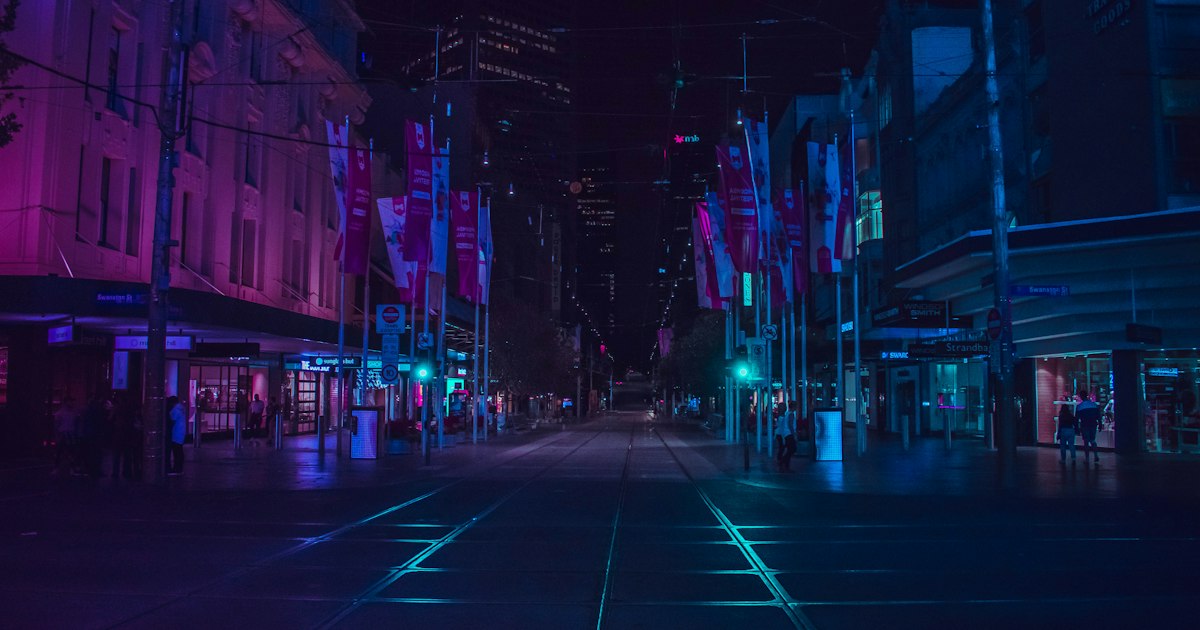
Travel photography is one of the most rewarding pursuits for creative adventurers. Whether you're capturing sunrise over Machu Picchu, street scenes in Marrakech, or wildlife in the Serengeti, the quest for that perfect shot takes you to incredible places. But the same characteristics that make photographers successful—venturing off the beaten path, working during golden hour when it's darker, and focusing intensely on composition—can also make them vulnerable to safety risks.
According to recent travel industry data, photographers face unique safety challenges: they often work alone, carry expensive equipment that attracts thieves, and become so absorbed in their craft that they lose situational awareness. This comprehensive guide will help you stay safe while pursuing your passion for travel photography, ensuring that the only thing you capture is beautiful images—not dangerous situations.
Understanding the Unique Safety Risks Photographers Face
Travel photographers encounter safety challenges that other tourists typically don't experience. Understanding these risks is the first step toward mitigating them.
Equipment Makes You a Target
High-end cameras, lenses, and accessories can be worth thousands of dollars, making photographers attractive targets for theft. In many destinations, a camera bag signals that you're carrying valuable equipment and likely have cash, credit cards, and other electronics on you as well.
The risk intensifies when you're setting up shots in public spaces, especially in crowded markets, tourist areas, or locations known for petty crime. While you're focused on framing the perfect shot, opportunistic thieves can easily snatch bags or equipment.
Working During Vulnerable Hours
The best light for photography occurs during golden hour—shortly after sunrise and before sunset. Unfortunately, these are also times when there are fewer people around, you're more isolated, and visibility can be limited. Photographers often find themselves alone in remote locations during these hours, whether it's on a deserted beach, a mountain overlook, or a quiet urban street.
This is where having One Tap Alert on your iPhone becomes crucial. The app's instant SOS button lets you alert all your emergency contacts with a single press-and-hold for just one second, immediately sharing your live GPS location if something feels wrong or you encounter danger.
Loss of Situational Awareness
When you're looking through a viewfinder or concentrating on your camera's LCD screen, your awareness of your surroundings diminishes dramatically. Photographers often back up to get a better angle without checking behind them, crouch down in positions where they can't quickly move, or become so absorbed in lighting and composition that they don't notice approaching threats.
Venturing Into Isolated Areas
The most photogenic locations are rarely the safest. Photographers naturally gravitate toward less-traveled paths, abandoned buildings, remote natural areas, and neighborhoods that haven't been gentrified. While these locations offer unique visual opportunities, they also mean you're further from help if something goes wrong.
Pre-Trip Safety Planning for Photography Travel
Proper preparation before you leave home can prevent many safety issues from developing during your photography trip.
Research Your Destinations Thoroughly
Before traveling with your camera gear, research each location's safety profile. Check travel advisories, read recent reviews from other photographers, and join online photography communities focused on your destination. Identify which areas are safe for photography and which should be avoided entirely.
Create a detailed itinerary that includes the specific locations you plan to photograph, the times you'll be there, and when you expect to return to your accommodation. Share this itinerary with trusted contacts at home and set up One Tap Alert's Safety Timer feature for each photography outing. This way, if you don't check in after your scheduled shoot, your emergency contacts will automatically receive an alert with your last known location.
Invest in Equipment Insurance
Before departing, ensure all your photography equipment is covered by comprehensive insurance that includes theft, damage, and loss while traveling internationally. Document all your gear with photos, serial numbers, and receipts. Store these documents in One Tap Alert's Secure Vault, where they're protected with end-to-end encryption and accessible anywhere you have your iPhone—essential if you need to file an insurance claim or police report while abroad.
Establish Emergency Communication Protocols
Set up One Tap Alert with unlimited emergency contacts before you travel. Include family members, friends, your accommodation contacts, and anyone else who should be notified if you encounter an emergency. Make sure these contacts understand how the app works and what they should do if they receive an SOS alert with your live location.
Consider adding a local emergency contact at your destination—perhaps someone at your hotel, a tour guide, or a local photographer you've connected with online. Having someone familiar with the local area and language in your emergency network can be invaluable.
Prepare Low-Profile Gear Options
While your professional equipment is essential for quality images, consider bringing a more discreet backup option for situations where carrying obvious camera gear poses too much risk. A high-quality smartphone camera or compact mirrorless camera in a non-descript bag can allow you to keep photographing in areas where pulling out expensive equipment would be unwise.
Safety Strategies While Shooting in the Field
Once you're on location and actively photographing, implementing smart safety practices becomes critical.
Maintain Situational Awareness
Train yourself to regularly look up from your camera and scan your surroundings, even when you're in the middle of a great shoot. Set a mental timer to check your environment every few minutes. Notice who's around you, whether anyone seems to be watching you, and whether the general atmosphere feels safe.
If you're shooting in an area where you feel even slightly uncomfortable, keep One Tap Alert open on your iPhone with your thumb near the SOS button. The one-second press-and-hold activation means you can summon help almost instantly without drawing attention to yourself or fumbling through menus.
Use the Buddy System When Possible
Whenever feasible, photograph with a partner or in groups. One person can focus on taking photos while the other maintains awareness of surroundings and watches equipment. If you're traveling solo but want to photograph in a questionable area, consider hiring a local photography guide or joining a photo walk with other photographers.
When working alone is unavoidable, use One Tap Alert's real-time location sharing feature. Your emergency contacts can see exactly where you are via live GPS tracking, providing an extra layer of security knowing that someone always knows your whereabouts.
Secure Your Equipment Strategically
Never leave camera bags unattended, even for a moment. When changing lenses or adjusting settings, position yourself against a wall so no one can approach from behind. Use camera straps that cross your body rather than hang from one shoulder, making them much harder to grab.
Consider using wire-reinforced camera straps that can't be cut easily, and keep valuable equipment inside your bag until you're ready to shoot. Don't walk around with a camera hanging from your neck when you're not actively photographing—it broadcasts that you're a tourist with expensive gear.
Trust Your Instincts
If a location feels unsafe, it probably is. No photograph is worth your personal safety. If you arrive at a planned shooting location and something feels off—whether it's a sketchy atmosphere, suspicious individuals, or just a gut feeling—trust that instinct and leave.
This is exactly when One Tap Alert's instant emergency features prove their worth. If you feel threatened while photographing, the app's SOS button can immediately alert all your emergency contacts with your live location, bringing help when you need it most.
How One Tap Alert Helps With Photography Travel Safety
Travel photographers need safety solutions that work as quickly and efficiently as they do. One Tap Alert was designed specifically for situations where seconds matter and you can't afford complicated emergency procedures.
Instant SOS Button for Immediate Threats
When you're holding a camera, you typically have one hand occupied. One Tap Alert's SOS button requires just a one-second press-and-hold with one hand to activate, making it perfect for photographers who need to signal distress quickly without putting down expensive equipment or drawing attention. The moment you activate it, all your emergency contacts receive an alert with your exact location.
Imagine you're photographing a sunrise in a remote location when someone approaches aggressively. Instead of fumbling with your phone to call for help or trying to remember emergency numbers in a foreign country, you simply press and hold the One Tap Alert button. Within seconds, everyone in your emergency network knows you need help and can see exactly where you are.
Safety Timer for Solo Photography Sessions
The Safety Timer feature is particularly valuable for photographers who work alone in remote areas. Before heading out for a sunrise shoot on a deserted beach or an evening session in an isolated urban area, you can set a countdown timer in One Tap Alert. If you don't check in when the timer expires, your emergency contacts are automatically alerted with your location.
This creates accountability for your photography sessions. Your emergency contacts know when to expect you back, and if something prevents you from checking in—whether it's an injury, equipment failure, getting lost, or a confrontation—help will be on the way automatically.
Real-Time Location Sharing for Peace of Mind
Photography travel often means venturing into areas with limited cell service, confusing street layouts, or locations that are difficult to describe in an emergency. One Tap Alert's real-time location sharing via live GPS tracking solves this problem. Your emergency contacts don't need you to explain where you are—they can see your exact position on a map.
This is especially valuable for photographers who move between multiple locations throughout the day. Rather than constantly texting updates to worried family members, your designated contacts can simply check the app when they want to see where you are, providing reassurance without constant interruptions to your workflow.
Secure Vault for Essential Documents
Travel photographers carry numerous important documents: equipment insurance policies, camera serial numbers, passport copies, medical information, and emergency contact details. If your equipment is stolen or you need to file a police report, having instant access to this information is crucial.
One Tap Alert's Secure Vault provides end-to-end encrypted storage for all these sensitive documents, accessible from your iPhone anywhere in the world. You don't need to worry about physical documents being lost or stolen, or having to email unencrypted files to yourself.
Location-Specific Photography Safety Tips
Different environments present unique challenges for travel photographers. Here's how to stay safe while shooting in various settings.
Urban Street Photography Safety
Street photography in cities requires constant vigilance. Stay in well-lit, populated areas, especially when shooting at night. Avoid photographing in areas known for crime or near activities that might attract the wrong attention, such as drug deals or gang activity.
In cities, it's easy to become disoriented, especially in older neighborhoods with winding streets or similar-looking blocks. Before starting a street photography session, set up One Tap Alert's Safety Timer for your expected shooting duration. This ensures that if you get lost or encounter trouble, your emergency contacts will be notified automatically.
Remote Nature Photography Safety
Photographing landscapes, wildlife, or adventure sports often takes you far from civilization. Beyond the security concerns, you face risks from weather, wildlife, injury, and getting lost. Always tell someone where you're going, when you expect to return, and what to do if you don't check in.
Keep One Tap Alert easily accessible—ideally in a pocket rather than buried in a camera bag. In remote areas where cell service is spotty, the app will send your location as soon as you have signal, which could be life-saving if you're injured or lost.
Night Photography Safety Considerations
Shooting cityscapes, star trails, or light painting requires working in darkness, which significantly increases safety risks. Scout locations during daylight so you know the terrain and can identify any hazards or suspicious areas. Never photograph alone in isolated locations at night.
The combination of darkness, expensive visible equipment, and concentration on long exposures makes night photographers particularly vulnerable. Keep One Tap Alert's SOS button readily accessible, and consider keeping the app open with real-time location sharing active throughout your night photography sessions.
Handling Confrontations and Theft Attempts
Despite all precautions, photographers sometimes face direct threats. Knowing how to respond can prevent escalation and protect your safety.
If Someone Demands Your Equipment
Your safety is always more valuable than your gear. If confronted by someone demanding your camera or bag, comply without resistance. Hand over the equipment calmly and don't make any sudden movements that might be perceived as threatening.
Once the immediate threat has passed and you're in a safe location, activate One Tap Alert's SOS button to notify your emergency contacts and share your location. This allows them to contact local authorities with accurate information about where the incident occurred, potentially helping with recovery efforts and ensuring someone checks on your wellbeing.
De-escalation Techniques
If someone becomes confrontational about being photographed or your presence in an area, stay calm and apologize—even if you've done nothing wrong. Offer to delete photos if requested (you can later recover them from your camera's memory card). Slowly back away while keeping the person in view, and move toward populated areas.
Emergency Response Preparation
Program local emergency numbers into your phone before traveling (911 works in the US, but other countries use different numbers like 112 in Europe or 999 in the UK). However, in high-stress situations, remembering these numbers or explaining your location can be difficult, which is why One Tap Alert's instant emergency features are so valuable—your contacts receive your location automatically without you needing to communicate anything.
Travel Photography Safety Gear Checklist
Beyond your camera equipment, certain safety items should be part of every photography travel kit:
- Fully charged iPhone with One Tap Alert installed and configured
- Portable phone charger/power bank (critical for ensuring One Tap Alert remains functional all day)
- First aid kit including bandages, antiseptic, pain relievers, and any personal medications
- Whistle for attracting attention in emergencies
- Small flashlight or headlamp with extra batteries
- Photocopy of important documents stored in One Tap Alert's Secure Vault
- Local currency in small bills hidden in multiple locations
- Travel insurance information including 24-hour emergency contact numbers
- Door wedge or portable lock for hotel room security
- Anti-theft camera straps with cut-resistant materials
- Discreet camera bag that doesn't scream "expensive equipment"
Building Safe Photography Habits for Long-Term Travel
For photographers who travel frequently or for extended periods, developing consistent safety habits becomes essential.
Regular Check-Ins
Establish a routine of checking in with someone back home daily, even when everything is fine. This creates a pattern, so if you suddenly stop communicating, your contacts know something is wrong. One Tap Alert makes this simple—a quick notification through the app reassures your emergency contacts without requiring lengthy phone calls or messages.
Cultural Sensitivity and Awareness
Photographing people, religious sites, or culturally sensitive locations requires understanding local customs. In some cultures, pointing a camera at someone without permission is considered deeply disrespectful or even threatening. Research photography etiquette for your destination and always ask permission before photographing people.
Culturally insensitive behavior can quickly escalate into confrontations. Being respectful not only creates better relationships with locals but also keeps you safer by avoiding unnecessary conflicts.
Continuous Learning and Adaptation
Safety situations evolve constantly. What was safe last year might not be safe today. Join online photography travel communities where photographers share current conditions, safety concerns, and location updates. Subscribe to travel advisories for destinations you're planning to visit, and remain flexible enough to change plans if situations deteriorate.
Insurance and Legal Considerations for Travel Photographers
Protecting yourself legally and financially is as important as physical safety.
Comprehensive Travel and Equipment Insurance
Standard travel insurance often excludes photography equipment or has low coverage limits. Invest in specialized equipment insurance that covers theft, damage, and loss internationally. Read policies carefully to understand exclusions—some don't cover equipment left in vehicles or unattended even briefly.
Store all insurance documents, policy numbers, and 24-hour claim contact information in One Tap Alert's Secure Vault so you can access them immediately if something happens to your gear while traveling.
Understanding Local Photography Laws
Different countries have varying laws regarding photography in public spaces, photographing government buildings, using drones, and capturing images of people. Some countries require permits for commercial photography, while others restrict photography near military installations or government facilities. Violating these laws can result in equipment confiscation, fines, or even arrest.
Research local laws before traveling and err on the side of caution. If you're unsure whether photographing something is legal, don't risk it.
Download One Tap Alert Today
Photography travel offers incredible opportunities to capture the world's beauty, but it also requires careful attention to personal safety. From equipment theft and confrontations to getting lost in remote locations or facing emergencies in unfamiliar places, travel photographers face unique vulnerabilities that require specialized solutions.
One Tap Alert provides the instant emergency response system photographers need. With its one-second SOS button, real-time GPS location sharing, Safety Timer for solo shoots, and Secure Vault for important documents, the app is designed specifically for situations where traditional emergency response is too slow or complicated.
The best part? One Tap Alert is free to download and try from the App Store: https://apps.apple.com/us/app/one-tap-alert/id6758563344
Premium features that every travel photographer should have—including unlimited emergency contacts, extended Safety Timer sessions, and expanded Secure Vault storage—are available for just $5.99/month or $24.99/year. That's less than the cost of a single camera lens filter, but it could make the difference in a genuine emergency.
Don't wait until you're in a dangerous situation to think about safety. Download One Tap Alert today, configure your emergency contacts, and gain the peace of mind that lets you focus on capturing amazing images instead of constantly worrying about what could go wrong. Your photography adventures deserve the protection that One Tap Alert provides.
Visit https://onetapalert.com to learn more about how One Tap Alert keeps photographers safe around the world, and download the app before your next trip. Because the only thing you should be shooting is photographs.