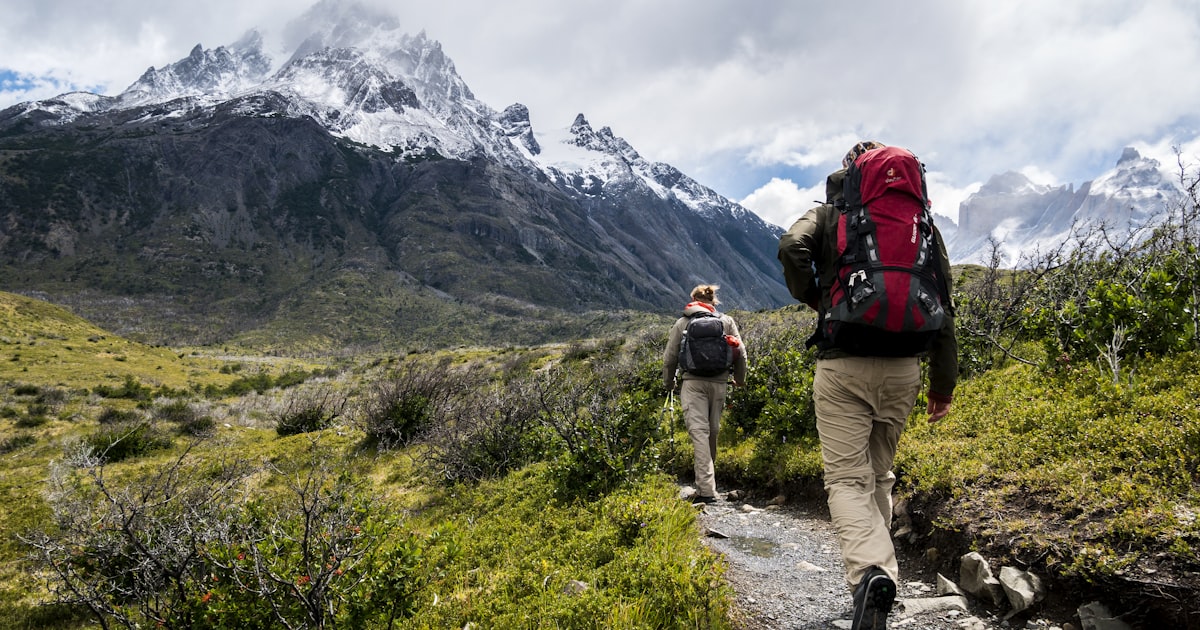
Hiking offers an incredible opportunity to connect with nature, challenge yourself physically, and escape the stresses of daily life. However, every year, thousands of hikers require emergency assistance due to getting lost, injuries, or unexpected weather conditions. Whether you're a seasoned backpacker or planning your first nature trail adventure, understanding hiking safety essentials can mean the difference between a memorable experience and a dangerous situation.
According to the National Park Service, search and rescue teams respond to over 3,000 incidents annually in national parks alone. Many of these emergencies could be prevented with proper preparation and the right safety tools. In this comprehensive guide, we'll cover everything you need to know about staying safe on the trails, from pre-hike preparation to emergency protocols that could save your life.
Essential Pre-Hike Preparation
Before you lace up your hiking boots, proper preparation is your first line of defense against trail emergencies.
Research Your Trail Thoroughly
Never hit the trail without understanding what you're getting into. Research the trail difficulty, elevation gain, total distance, and estimated completion time. Check recent trail reports for conditions like snow, flooding, or closures. Popular hiking apps and local ranger stations provide invaluable up-to-date information.
Always inform someone of your hiking plans—including which trail you're taking, when you're starting, and your expected return time. With One Tap Alert's Safety Timer feature, you can automate this process by setting a countdown for your expected hike duration. If you don't check in by the designated time, the app automatically alerts your emergency contacts with your last known location, creating an automatic safety net even if you're unable to call for help.
Check Weather Conditions
Mountain and wilderness weather can change dramatically and quickly. Check the forecast for your specific trail location, not just the general area. Be aware of temperature drops at higher elevations—it can be 3-5 degrees cooler for every 1,000 feet of elevation gain.
Pack the Ten Essentials
The Mountaineers, a hiking and climbing organization, developed the "Ten Essentials" system that every hiker should carry:
- Navigation — Map, compass, and GPS device
- Sun protection — Sunscreen, sunglasses, and hat
- Insulation — Extra clothing layers
- Illumination — Headlamp or flashlight with extra batteries
- First-aid supplies — Comprehensive first-aid kit
- Fire — Matches or lighter and fire starter
- Repair kit and tools — Including a knife or multi-tool
- Nutrition — Extra food beyond what you plan to eat
- Hydration — Extra water and purification method
- Emergency shelter — Tent, bivy, or emergency blanket
To these traditional essentials, add a modern eleventh: a reliable emergency communication method. Your smartphone with One Tap Alert installed provides instant access to emergency services. Store important documents like your medical information, emergency contact details, and insurance cards in One Tap Alert's Secure Vault, where they're protected with end-to-end encryption and accessible even in areas with limited connectivity.
On-Trail Safety Practices
Once you're on the trail, maintaining safety awareness is crucial throughout your hike.
Stay on Marked Trails
It's tempting to explore or take shortcuts, but staying on marked trails prevents you from getting lost, protects fragile ecosystems, and keeps you away from hazardous terrain. Trail markers exist for your safety—respect them.
Pace Yourself and Know Your Limits
Many hiking emergencies occur when people overestimate their abilities or push beyond their physical limits. Start with shorter, easier trails and gradually work up to more challenging hikes. Take regular breaks, stay hydrated, and don't hesitate to turn back if conditions worsen or you're not feeling well.
Be Wildlife Aware
Research which animals inhabit your hiking area and how to respond to encounters. Make noise while hiking to avoid surprising animals. Store food properly and maintain safe distances from all wildlife. Carry bear spray in bear country and know how to use it.
Hike with Buddy System When Possible
There's truth to the saying "safety in numbers." Hiking with a partner or group means someone can go for help if an emergency occurs. However, if you do hike solo—which many people do safely—take extra precautions. Enable One Tap Alert's real-time location sharing feature before you start your hike so your emergency contacts can see exactly where you are via live GPS tracking throughout your journey.
How One Tap Alert Helps With Hiking Safety
While traditional hiking safety tools remain important, modern technology has revolutionized how we approach trail emergencies. One Tap Alert was designed specifically for situations where seconds matter—and few scenarios demand faster emergency response than wilderness hiking accidents.
Instant Emergency Alerts When Cell Service is Limited
The critical challenge with hiking emergencies is that they often occur in remote areas with limited or no cell service. When accidents happen on the trail—a fall, sudden illness, or wildlife encounter—you may have only a brief window to call for help. One Tap Alert's instant SOS button requires just a one-second press and hold to immediately alert all your emergency contacts with your exact location via live GPS tracking.
Unlike trying to unlock your phone, find your contacts, and make individual calls, One Tap Alert sends alerts to unlimited emergency contacts simultaneously. Your designated contacts receive your precise coordinates and can immediately contact search and rescue teams with your exact location, dramatically reducing response times.
Automated Check-Ins for Solo Hikers
Solo hiking offers solitude and self-reliance, but it also means no one is there if something goes wrong. One Tap Alert's Safety Timer feature is specifically designed for solo adventurers. Before starting your hike, set the timer for your expected return time based on trail length and your pace. If you complete your hike safely, simply check in through the app.
If you don't check in—whether because you're injured, lost, or your phone battery died—One Tap Alert automatically sends emergency alerts to your contacts with your last known location. This automated failsafe means even if you're incapacitated, help is on the way.
Real-Time Location Tracking for Peace of Mind
For both hikers and their loved ones, one of the most stressful aspects of trail adventures is the communication blackout. Family members worry, wondering if you're safe. With One Tap Alert's real-time location sharing, your emergency contacts can follow your progress along the trail. They'll see when you're moving, when you've stopped for breaks, and when you've safely returned to your vehicle.
This feature is particularly valuable for longer hikes or when hiking in unfamiliar terrain. Your contacts don't need to constantly text asking if you're okay—they can simply check your location. And crucially, if you do encounter an emergency, searchers know exactly where to find you, not just where your hike started.
Critical Information Accessible Instantly
In a medical emergency on the trail, first responders need immediate access to your medical history, allergies, medications, and emergency contacts. One Tap Alert's Secure Vault stores all this critical information with end-to-end encryption. You can include photos of your ID, insurance cards, medical information, and even your hiking permit—all accessible instantly even without cell service, since the information is stored on your device.
Navigation and Getting Unlost
Even experienced hikers occasionally find themselves disoriented or off-trail. Knowing how to navigate effectively prevents many emergencies.
Master Basic Navigation Skills
Don't rely solely on your smartphone for navigation. Learn to read topographic maps and use a compass. Understand key navigation concepts like contour lines, declination, and triangulation. These skills remain reliable when technology fails.
Use Technology as a Backup
GPS apps are excellent navigation tools but shouldn't be your only method. Download offline maps before your hike since many trails lack cell coverage. Carry a portable battery charger to keep your devices powered.
If you do become lost, the first rule is to stop, stay calm, and avoid panicking. Your smartphone with One Tap Alert becomes your lifeline—use the instant SOS button to alert your emergency contacts immediately. With live location sharing active, search and rescue can locate you even if you're unsure of your exact position.
The STOP Principle
If you realize you're lost, remember STOP:
- Stop moving immediately to avoid getting more lost
- Think about how you got there and your last known location
- Observe your surroundings for landmarks, trails, or sounds
- Plan your next action—whether to retrace your steps or stay put
In most cases, staying put is the safest option once you've alerted emergency contacts, especially if weather is deteriorating or daylight is fading.
Handling Common Trail Emergencies
Understanding how to respond to common hiking emergencies can prevent minor incidents from becoming life-threatening situations.
Injuries and First Aid
Falls, twisted ankles, cuts, and blisters are the most common hiking injuries. Carry a comprehensive first-aid kit and know how to use everything in it. Take a wilderness first aid course to learn how to handle injuries far from medical facilities.
For serious injuries, assess the situation carefully. If the injured person can walk with assistance, slowly make your way to the trailhead. If the injury is severe—suspected fracture, head injury, or the person cannot walk—use One Tap Alert's SOS button immediately to summon help and share your exact location with emergency services.
Hypothermia and Heat-Related Illness
Temperature-related emergencies kill hikers every year. Hypothermia can occur even in summer if you're wet, tired, and exposed to wind. Symptoms include intense shivering, confusion, and loss of coordination. At the first signs, get the person dry, insulated, and warm. Seek immediate medical attention for severe cases.
Heat exhaustion and heat stroke are equally dangerous. Warning signs include excessive sweating, weakness, nausea, and confusion. Move to shade, rest, and hydrate immediately. Heat stroke—when body temperature exceeds 104°F—is a medical emergency requiring immediate evacuation.
Wildlife Encounters
Most wildlife encounters end without incident if you remain calm and know proper protocols. For bears, make yourself appear large, speak calmly, and slowly back away. Never run. For mountain lions, maintain eye contact, appear large, and if attacked, fight back aggressively. For venomous snakes, give them space and seek medical attention immediately if bitten.
If a wildlife encounter turns dangerous, getting help quickly is critical. Having One Tap Alert ready means you can alert emergency contacts and share your location with a single button press, even in high-stress situations.
Weather and Environmental Hazards
Nature's forces present some of the most dangerous and unpredictable hiking hazards.
Lightning and Thunderstorms
If you see lightning or hear thunder, the storm is close enough to strike you. Immediately descend from ridges and peaks. Avoid tall trees, open fields, and water. Squat low with feet together, minimizing contact with the ground. Wait at least 30 minutes after the last thunder before resuming hiking.
Flash Floods
Never underestimate flash flood danger, especially in canyons and desert washes. Water from storms miles away can create deadly walls of water. Check weather forecasts for your entire watershed, not just your immediate location. If caught in rising water, immediately move to higher ground.
Getting Benighted
"Benighted" means being caught outdoors after dark unexpectedly. This common situation occurs when hikers underestimate trail time or get lost. This is exactly why carrying illumination is essential and why setting One Tap Alert's Safety Timer before your hike provides critical protection—your contacts will be alerted if you haven't returned by your expected time, allowing them to initiate search and rescue before a benightment becomes a survival situation.
Post-Hike Safety Review
After every hike, take a few minutes to review your experience and improve your safety practices.
Evaluate What Worked
Consider what safety measures proved valuable. Did you use all your gear? Was your timeframe accurate? Did any situations catch you unprepared? These insights improve your planning for future hikes.
Update Your Emergency Contacts
Keep your One Tap Alert emergency contact list current. Add or remove contacts as relationships change, and periodically remind your designated contacts that they're listed so they understand their role if they ever receive an alert.
Share Trail Conditions
Pay it forward by sharing current trail conditions through hiking apps or social media. Your observations about trail hazards, weather changes, or wildlife encounters help keep other hikers safe.
Building Your Hiking Safety Kit
Beyond the Ten Essentials, modern hikers should consider these additional safety items:
- Personal locator beacon (PLB) for truly remote areas without any cell coverage
- Whistle for signaling (three short blasts is the universal distress signal)
- Emergency blanket weighing just ounces but providing crucial warmth
- Water purification tablets as backup to mechanical filters
- Duct tape wrapped around trekking poles for emergency repairs
- Smartphone with One Tap Alert installed, ensuring instant emergency communication and automated safety check-ins
Your smartphone has become arguably the most important safety tool you carry—provided you use it wisely. Download offline maps, carry a battery pack, protect it from water and damage, and most importantly, have One Tap Alert configured with your emergency contacts before you need it.
Download One Tap Alert Today
Hiking safety ultimately comes down to preparation, awareness, and having the right tools when emergencies arise. While you can't control everything that happens on the trail, you can control how quickly help arrives when you need it.
One Tap Alert was built specifically for outdoor enthusiasts who refuse to compromise on safety. With features designed for hiking scenarios—the instant SOS button that works with just a one-second press, the Safety Timer that automatically alerts contacts if you don't check in, and real-time location sharing that lets searchers find you quickly—the app provides comprehensive emergency protection while respecting your privacy with no background tracking or location history storage.
The app is free to download from the App Store at https://apps.apple.com/us/app/one-tap-alert/id6758563344. Premium features, including unlimited emergency contacts and the Safety Timer that's essential for hiking, are available for just $5.99/month or $24.99/year—less than the cost of most hiking permit fees.
Before your next trail adventure, take two minutes to download One Tap Alert, add your emergency contacts, and configure your safety preferences. That small investment of time could quite literally save your life. Because the best hiking safety tool is the one you have with you when you need it most.
Stay safe out there, and happy trails!